The World Was Not Their Story
With few correspondents overseas, independent India’s newspapers have depended on agencies and publications in London or Washington, content to wear the blinkers of the West.

Speaking Tiger
$32.00

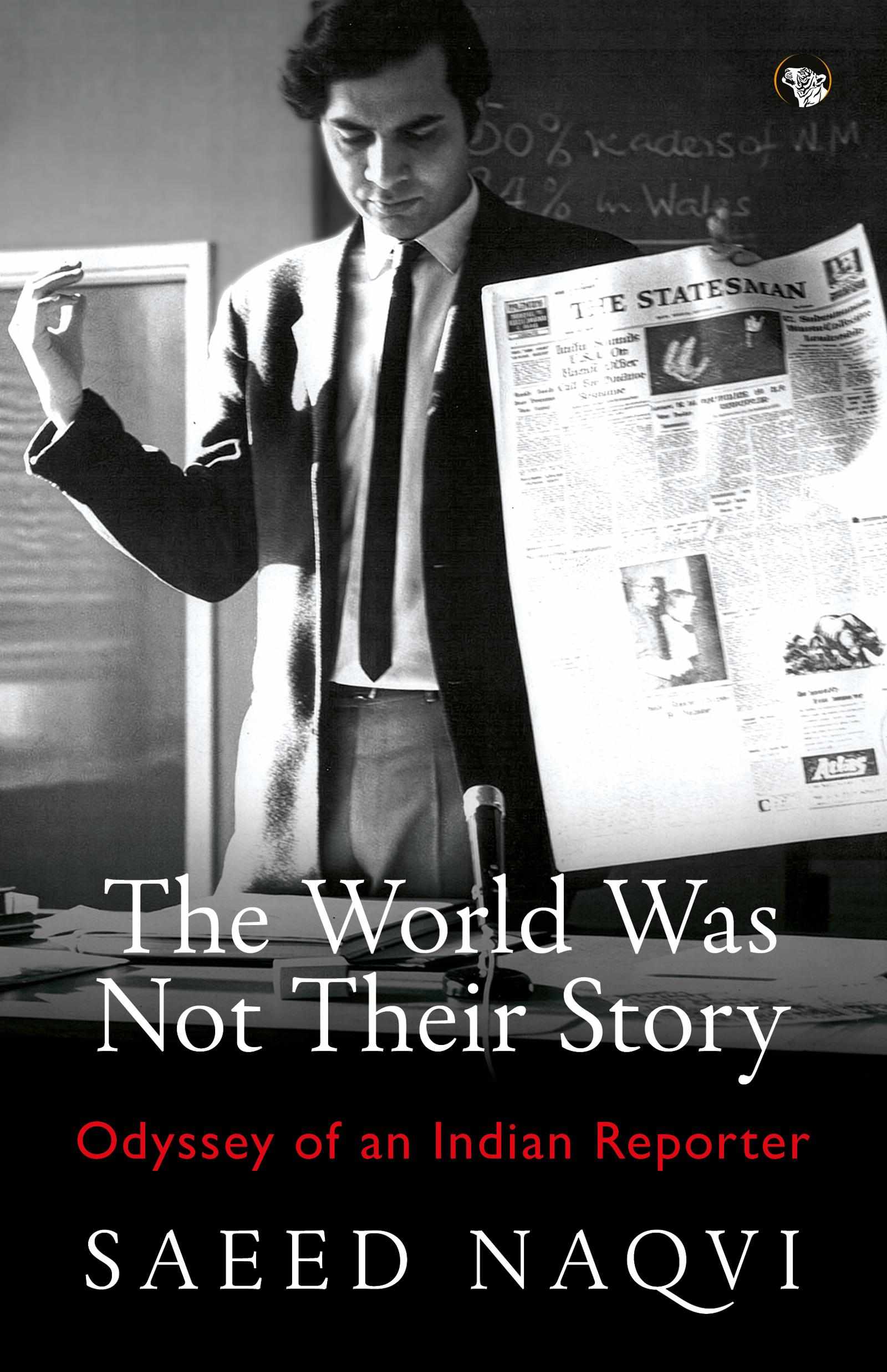
With few correspondents overseas, independent India’s newspapers have depended on agencies and publications in London or Washington, content to wear the blinkers of the West.
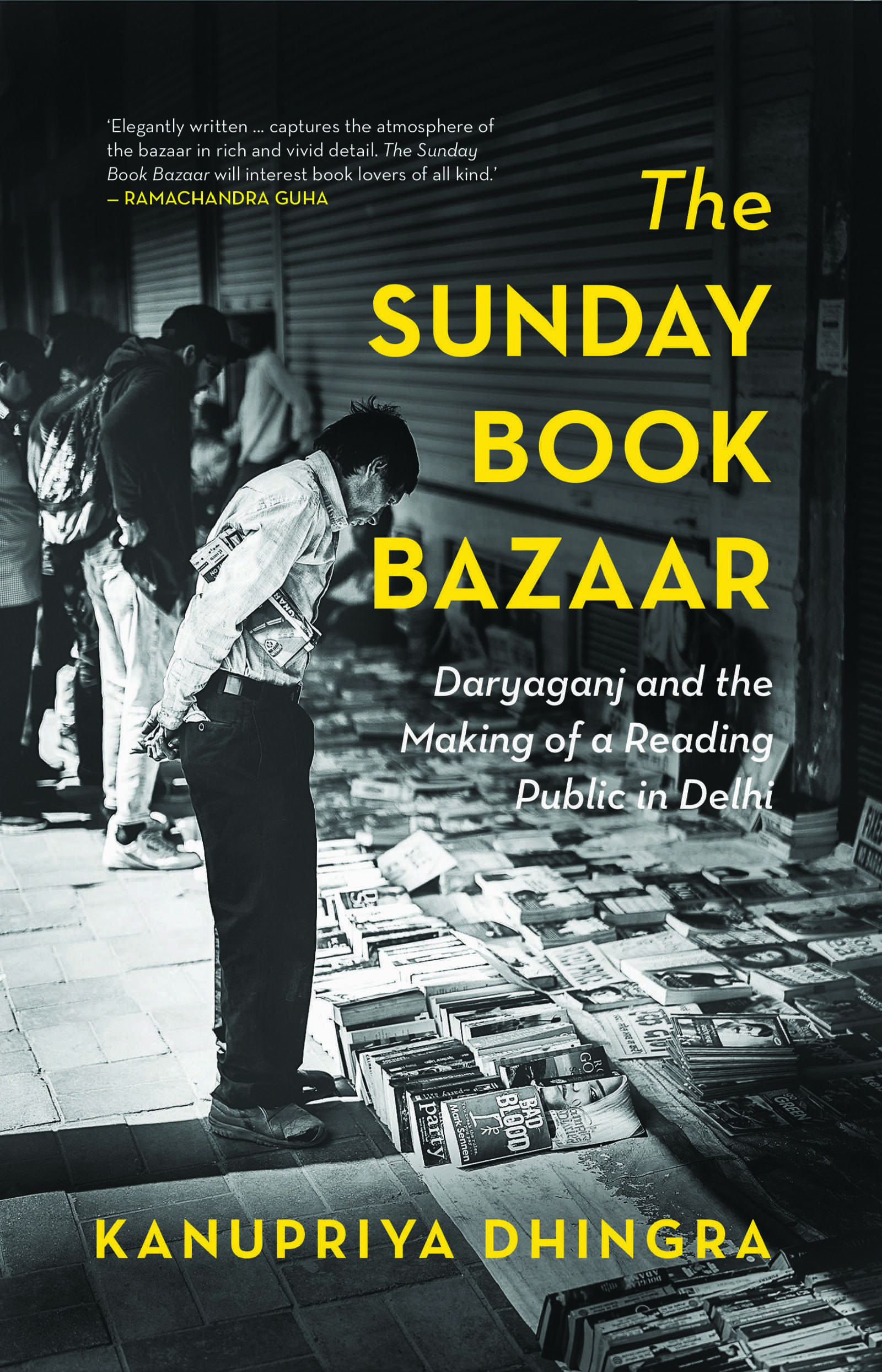
‘Elegantly written… Should be mandatory reading for citizens of Delhi who wish to know their city better—even, or especially, those who do not buy or read books themselves.
With few correspondents overseas, independent India’s newspapers have depended on agencies and publications in London or Washington, content to wear the blinkers of the West.
‘Elegantly written… Should be mandatory reading for citizens of Delhi who wish to know their city better—even, or especially, those who do not buy or read books themselves.
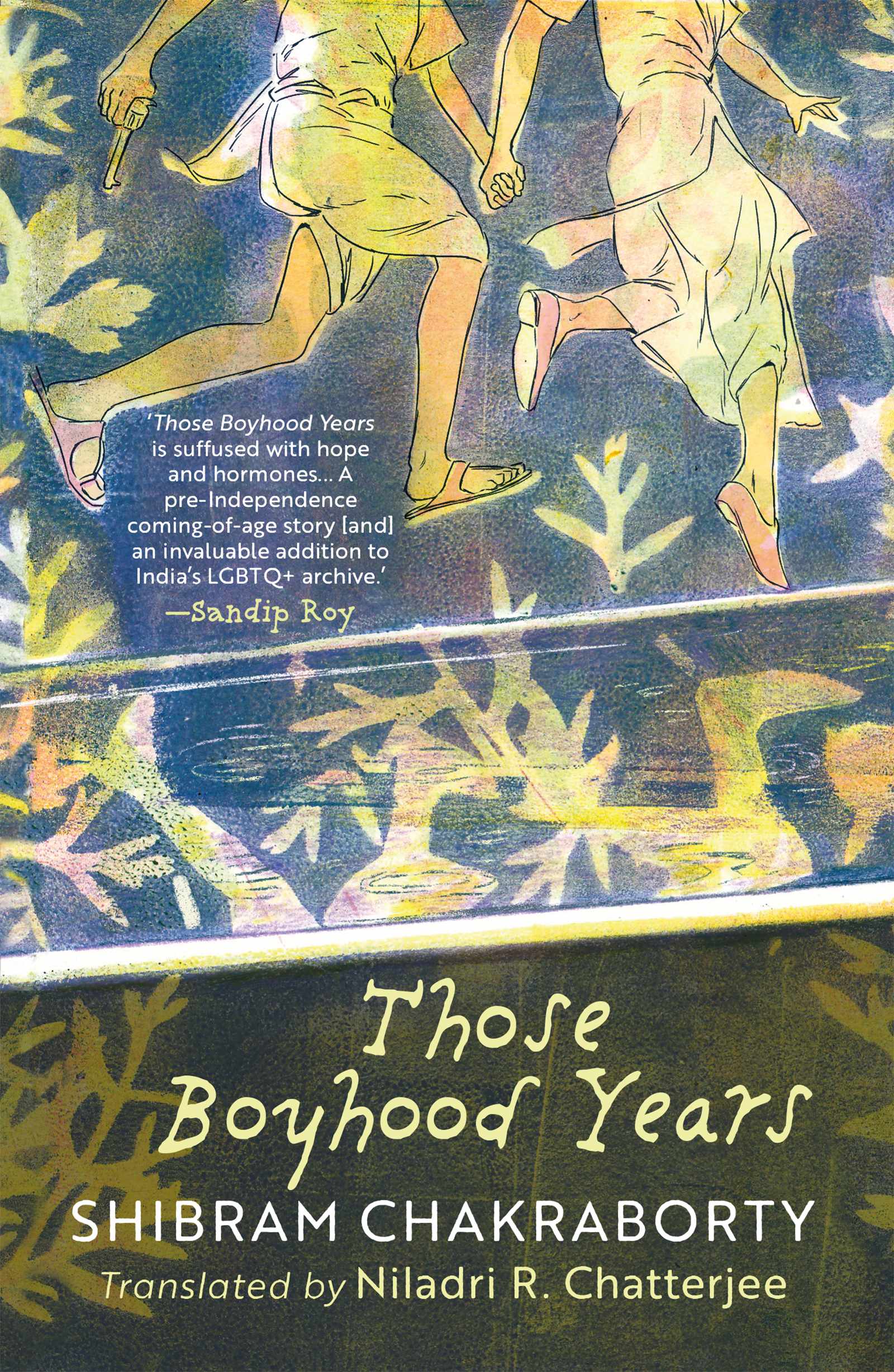
‘Boyhood is suffused with hope and hormones, where young freedom fighters are intoxicated by male beauty while school boys navigate the boundaries between love and lust.
With few correspondents overseas, independent India’s newspapers have depended on agencies and publications in London or Washington, content to wear the blinkers of the West.
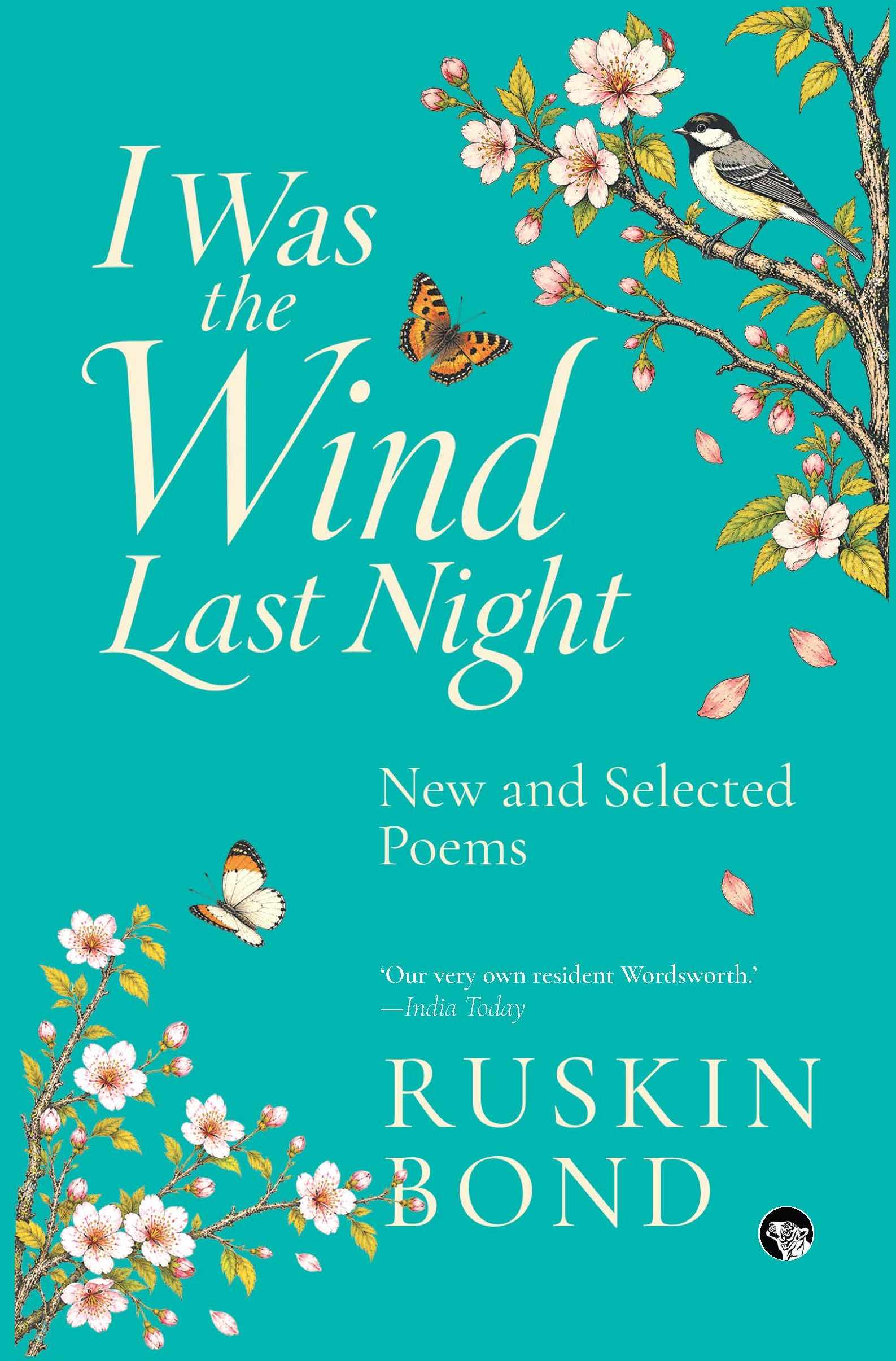
‘He has helped us see what we would have otherwise missed.’—India Review of Books ‘Our very own resident Wordsworth.
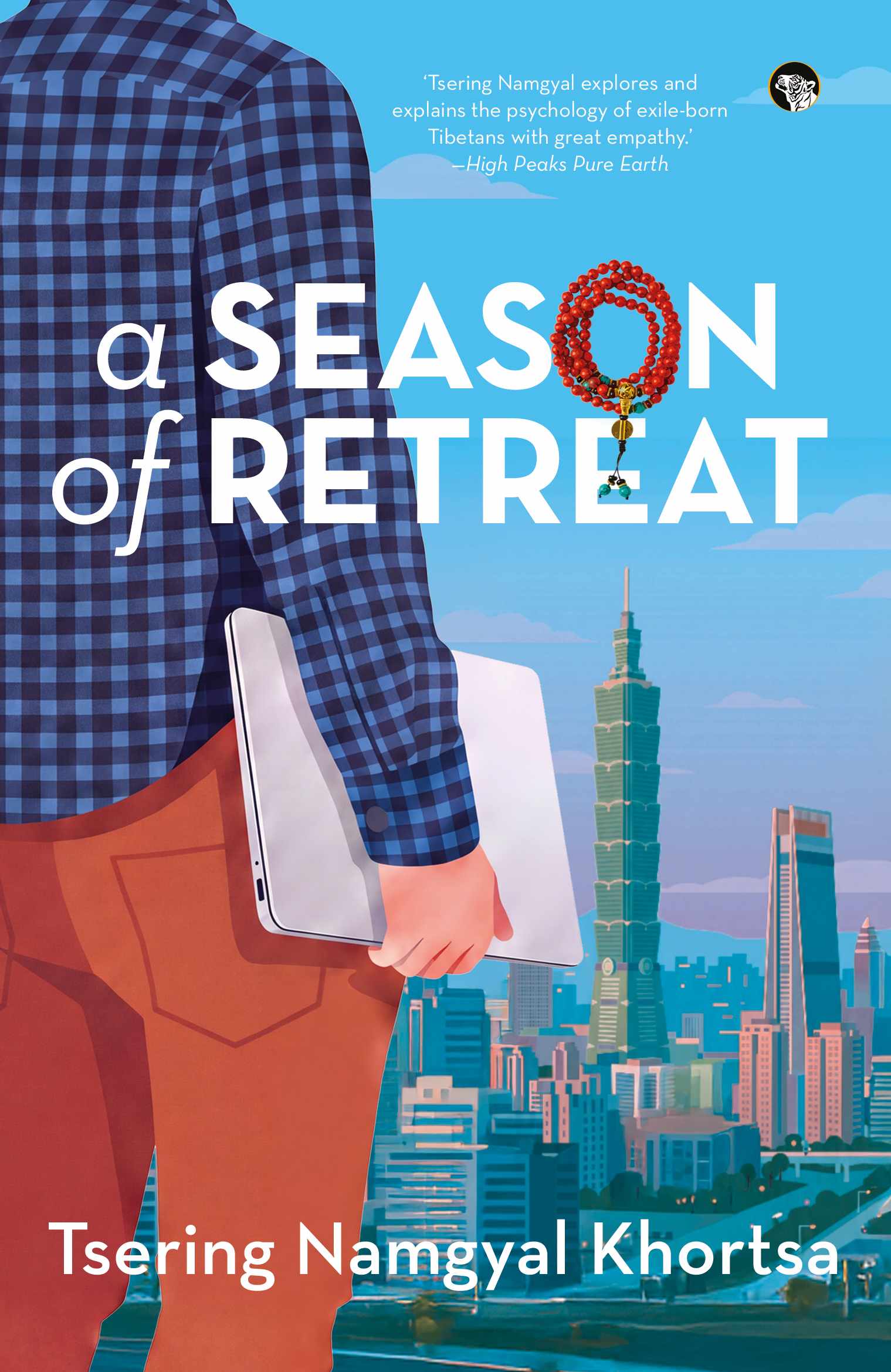
‘Tsering Namgyal explores and explains the psychology of exile-born Tibetans and with great empathy [and] articulates their frustrations, anger and hopes for themselves and for Tibet.
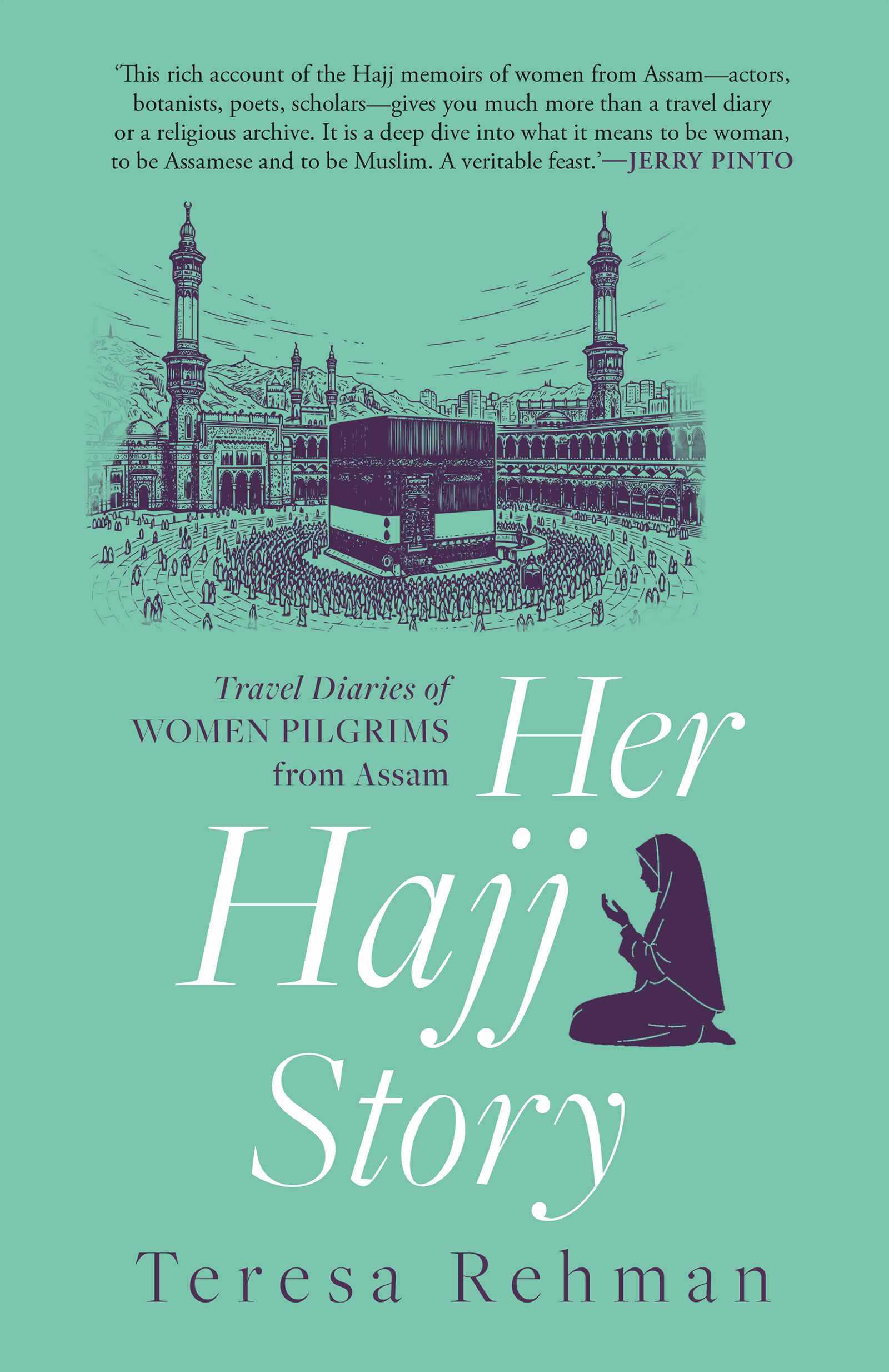
‘This rich account of the Hajj memoirs of women from Assam— actors, botanists, poets, scholars—gives you much more than a travel diary or a religious archive.
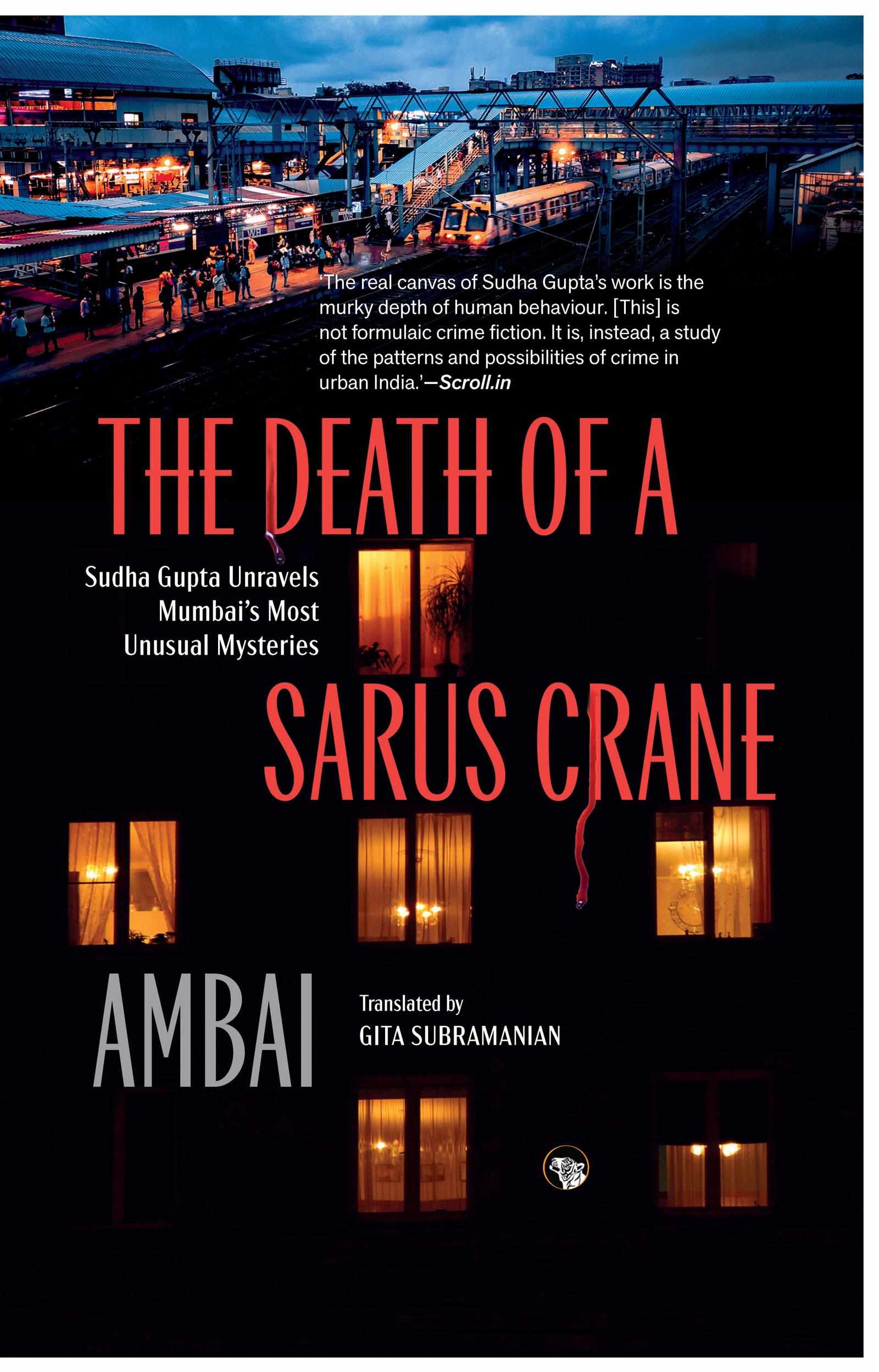
‘The real canvas of Sudha Gupta’s work is the murky depth of human behaviour. The Death of a Sarus Crane is not formulaic crime fiction.
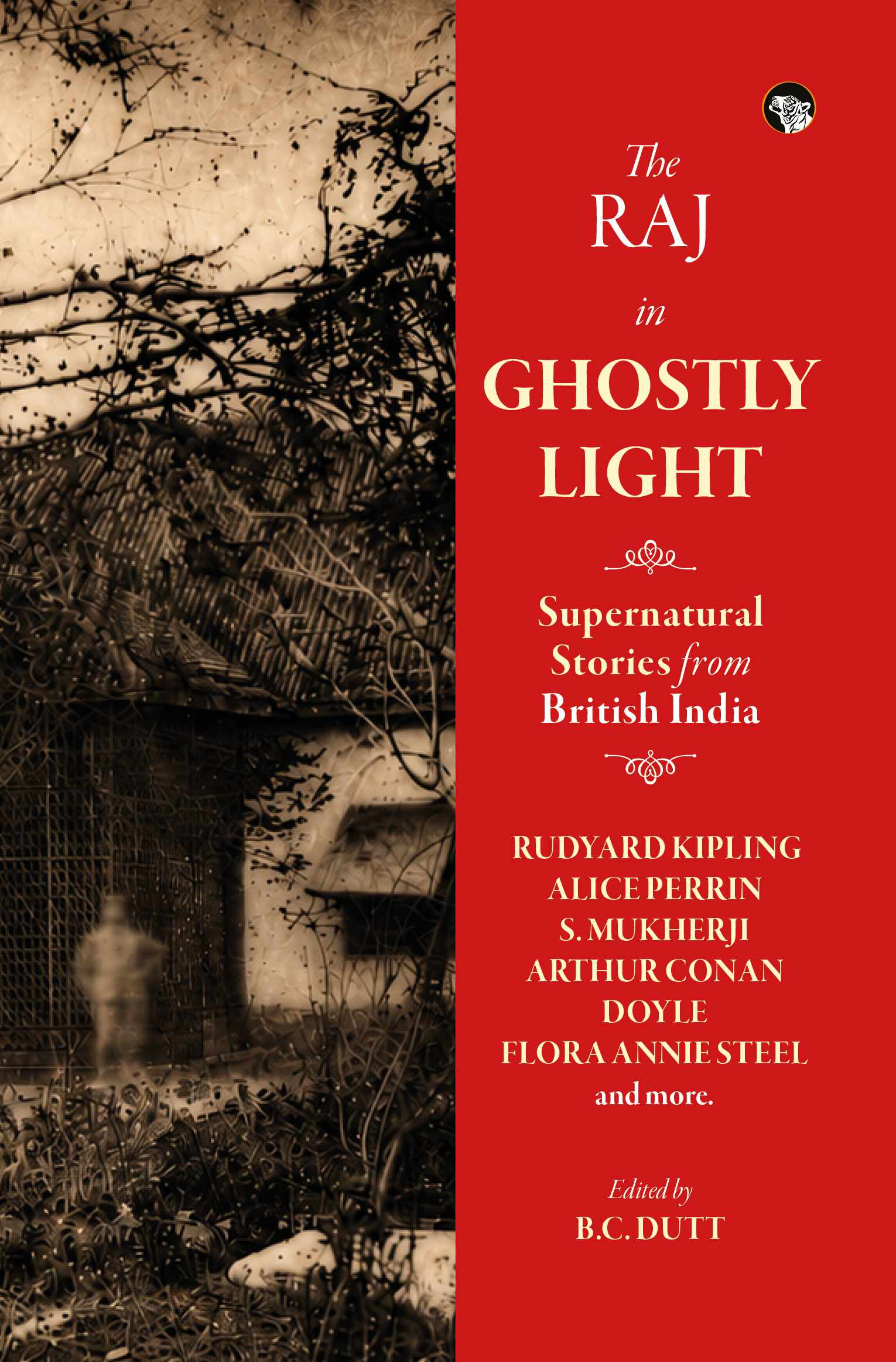
When empire settles in for the night, the ghosts begin to speak.
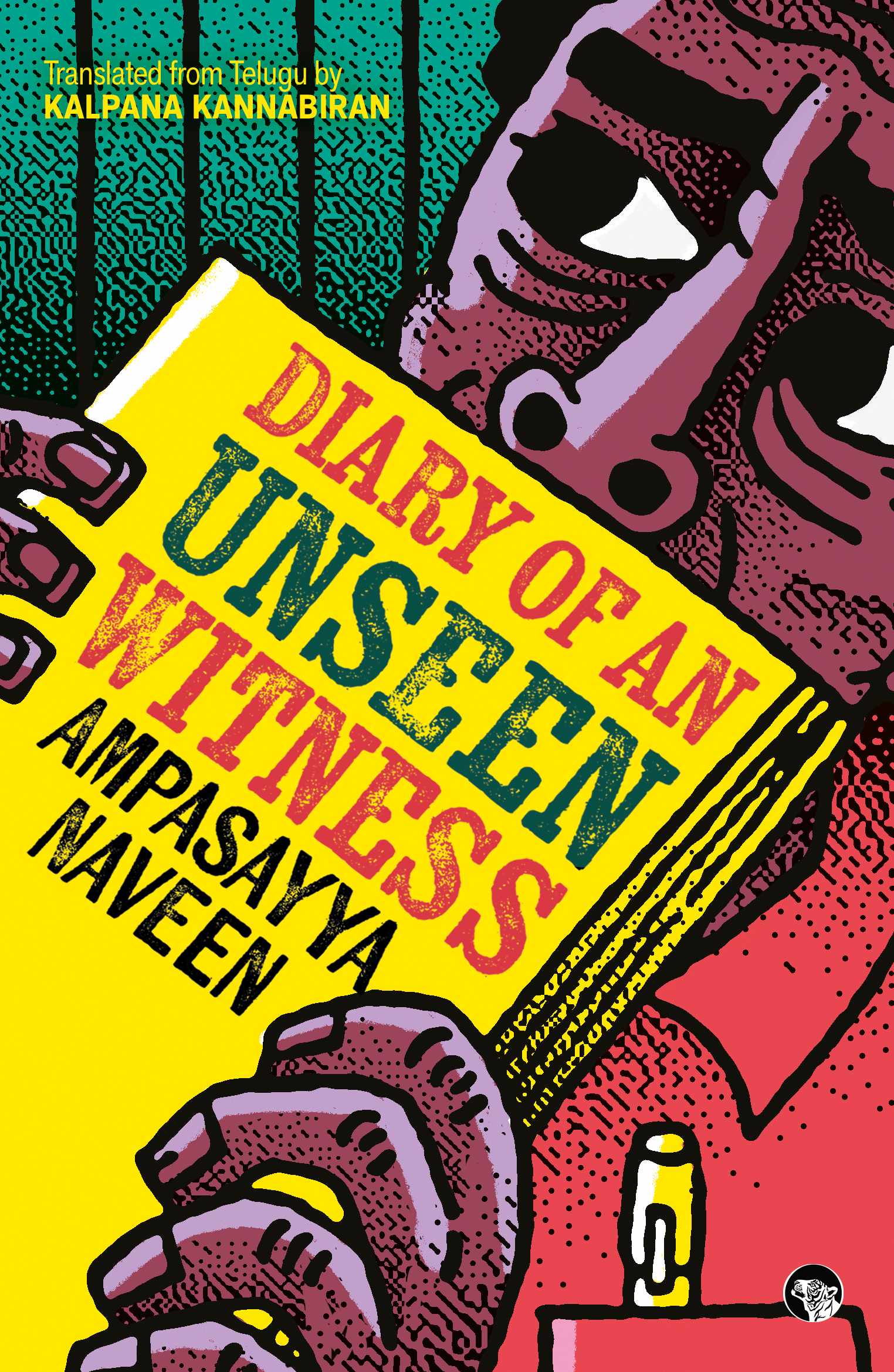
When the Emergency descends upon India in 1975, Srinivasa Rao is an ordinary Telugu lecturer in an ordinary college in Andhra Pradesh, whose greatest loyalties are to his family and the routines of everyday life.
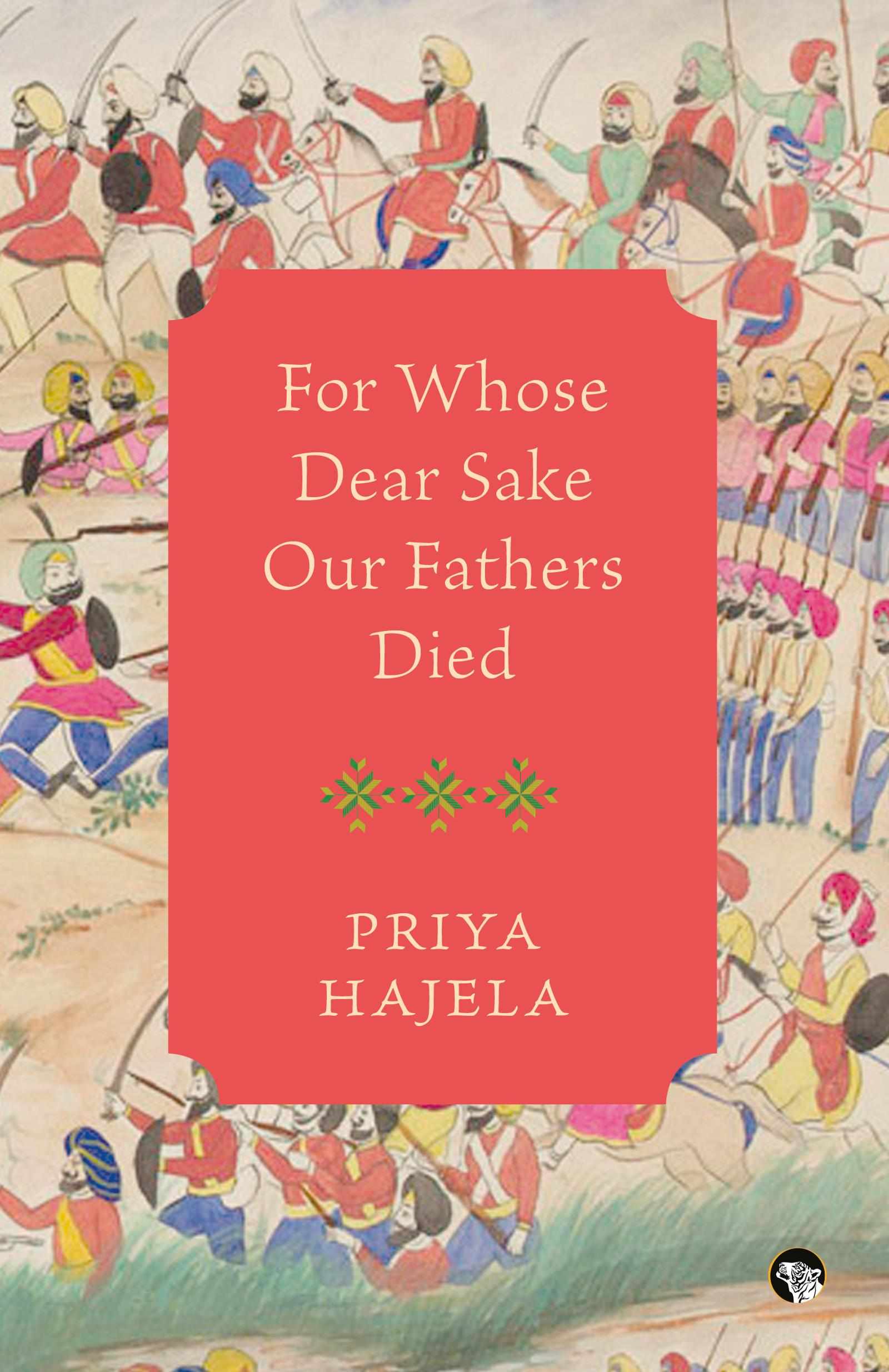
‘Countries are made up of stories. So are families.
‘Elegantly written… Should be mandatory reading for citizens of Delhi who wish to know their city better—even, or especially, those who do not buy or read books themselves.
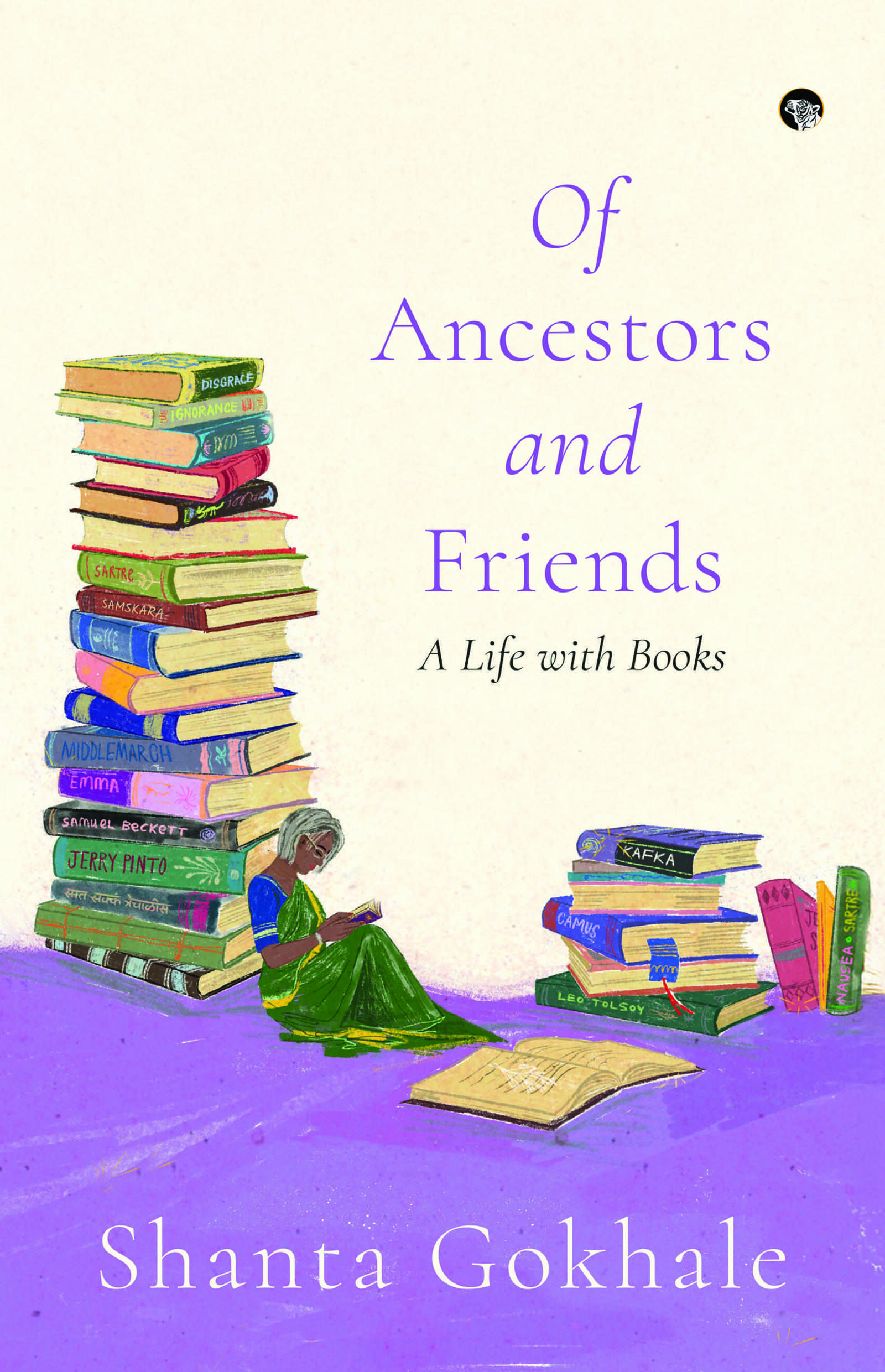
Shanta Gokhale, lifelong reader and bibliophile, looks back at her reading life and examines books and writers she has loved and re-read, returning to them time and again at different points in her life.
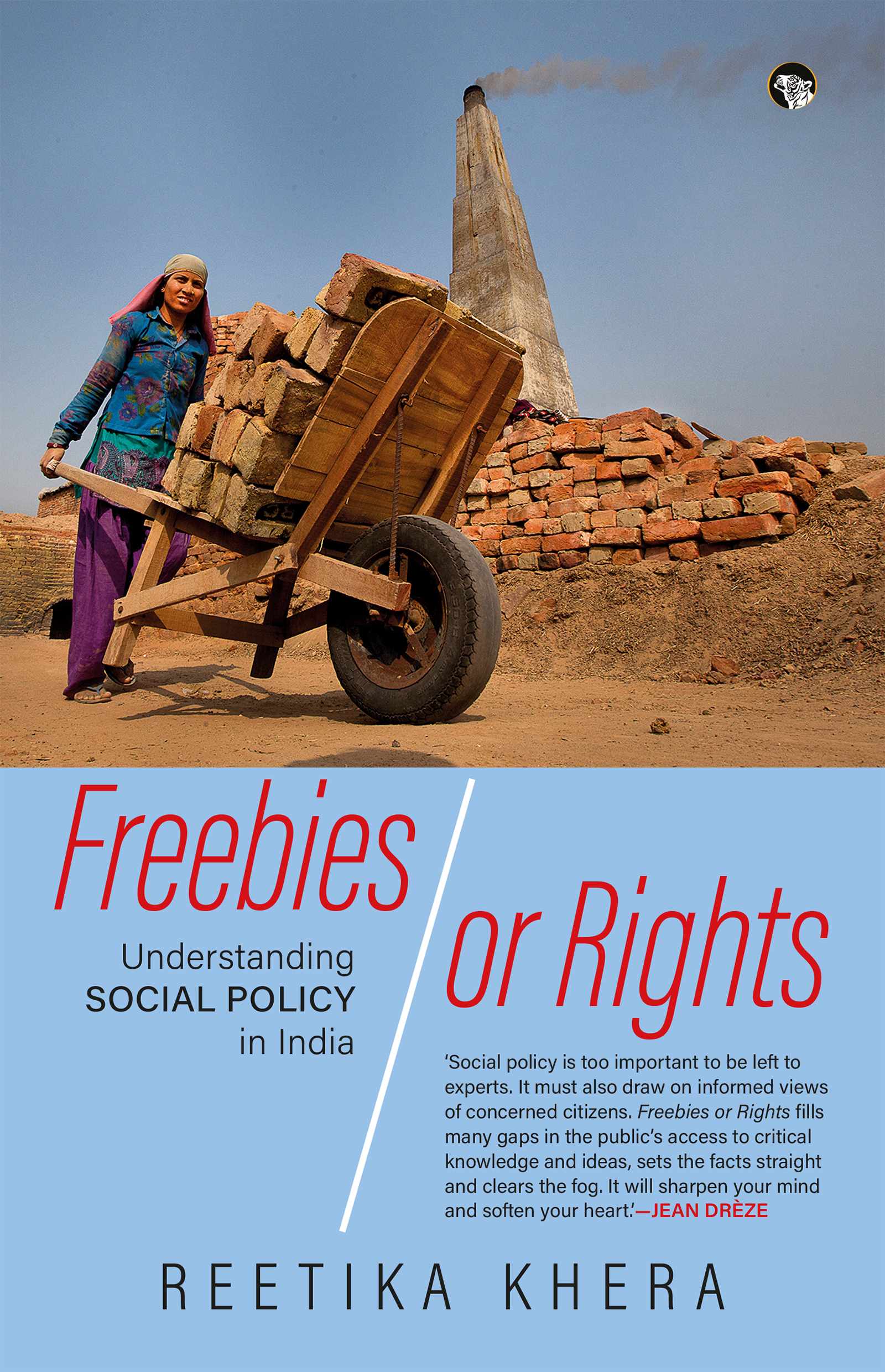
‘Social policy is too important to be left to experts. It must also draw on informed views of concerned citizens.
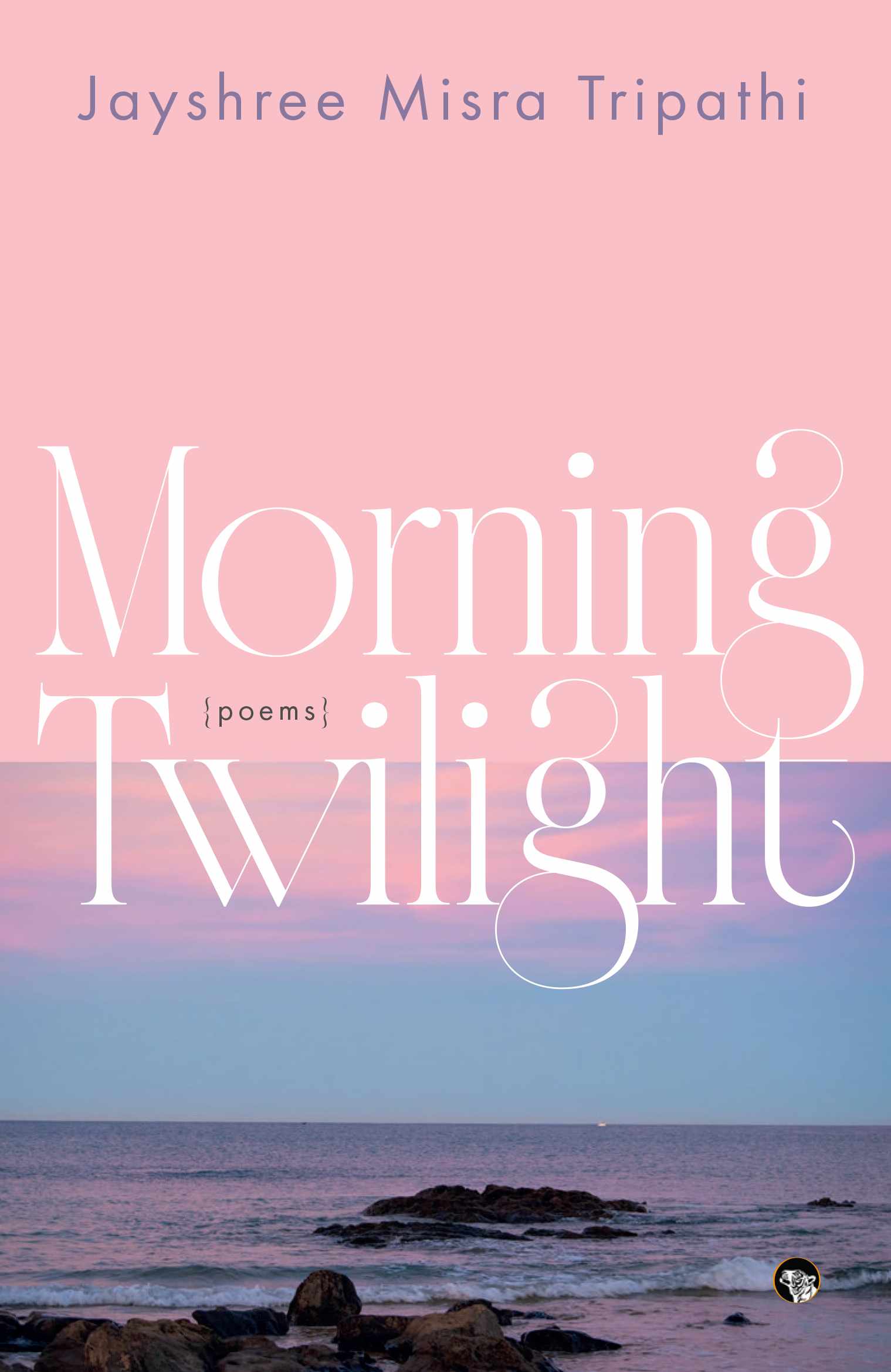
‘We do not always require the services of a time machine to travel in dramatic ways across diverse periods.
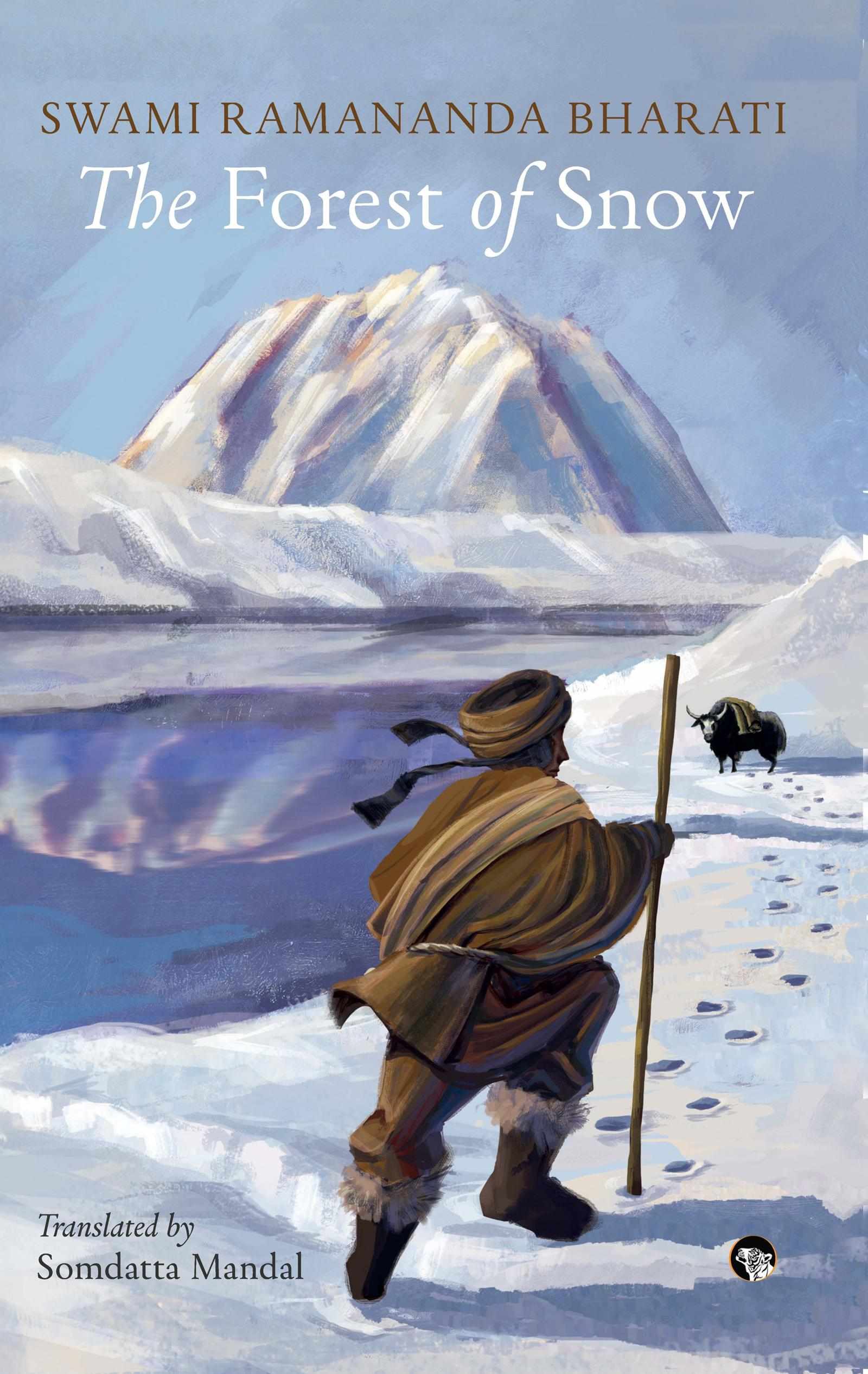
In 1898, the wandering saint Swami Ramananda Bharati set out from the Garhwal Himalayas towards one of the most remote and revered destinations in the world: Mount Kailash and Manas Sarovar in Tibet.
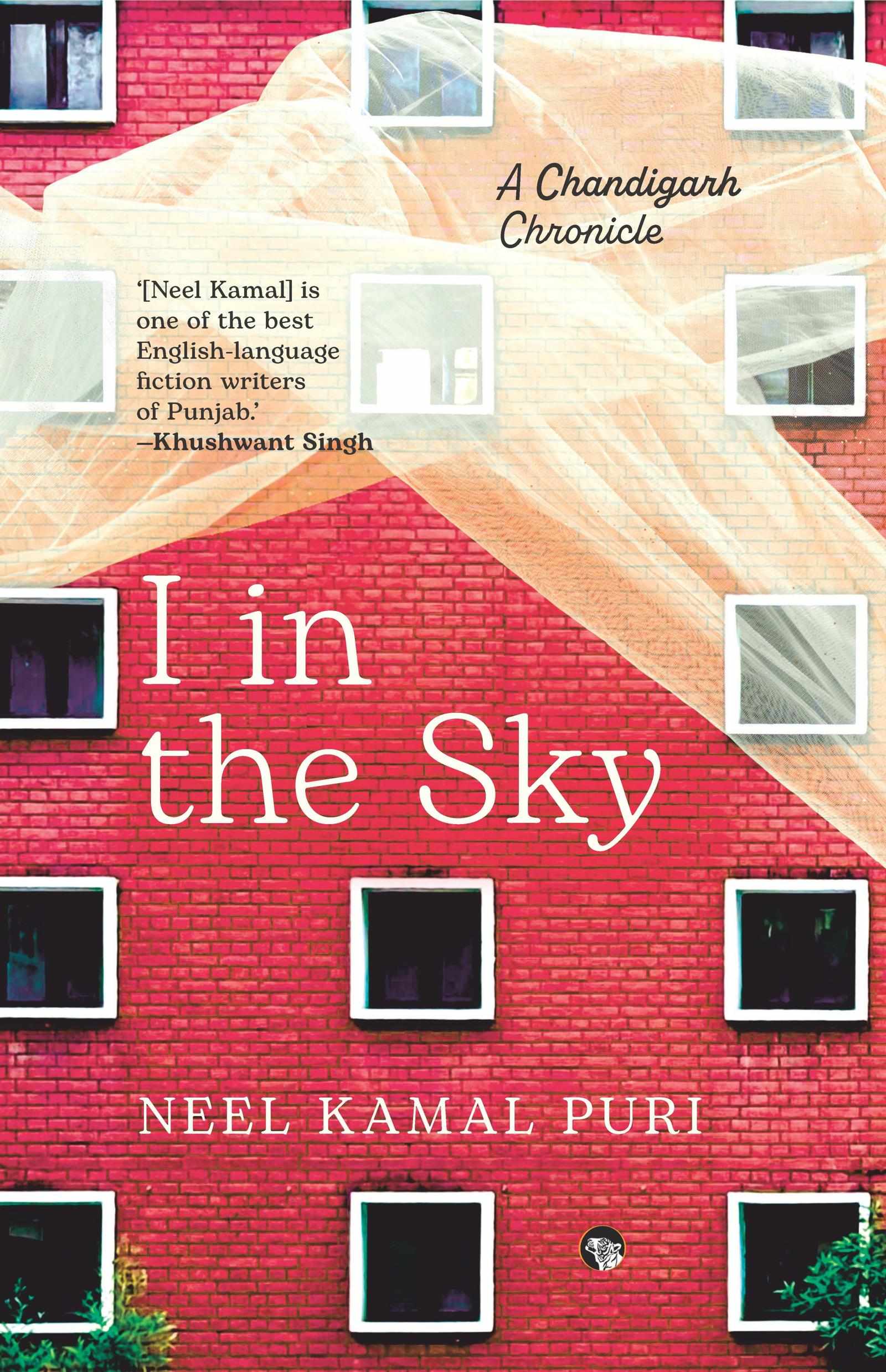
Bubbly is dead.
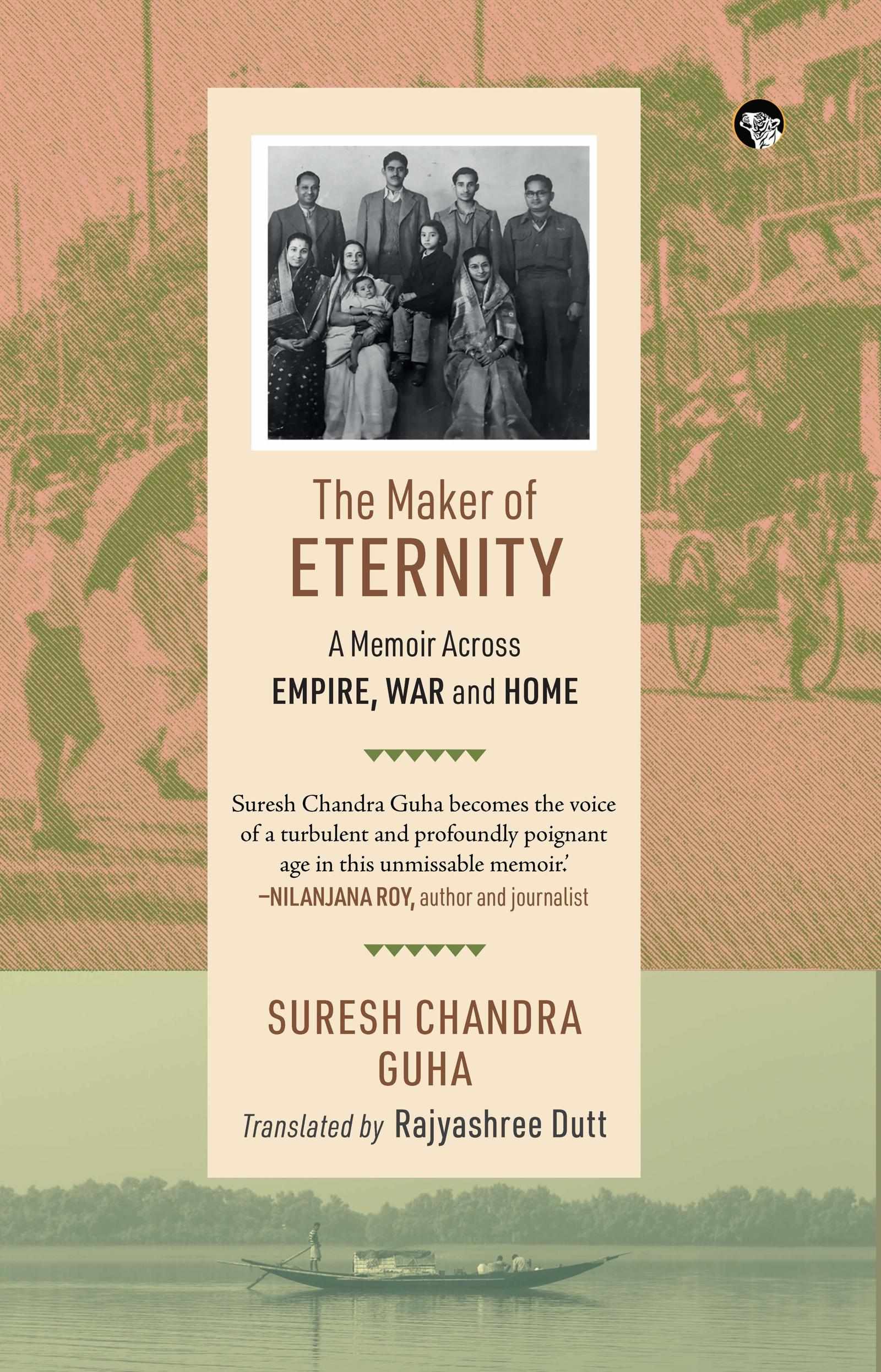
At the dawn of the twentieth century, a boy growing up in Bengal could not have imagined the world he would live through: empire and revolution, war and displacement, independence and Partition.
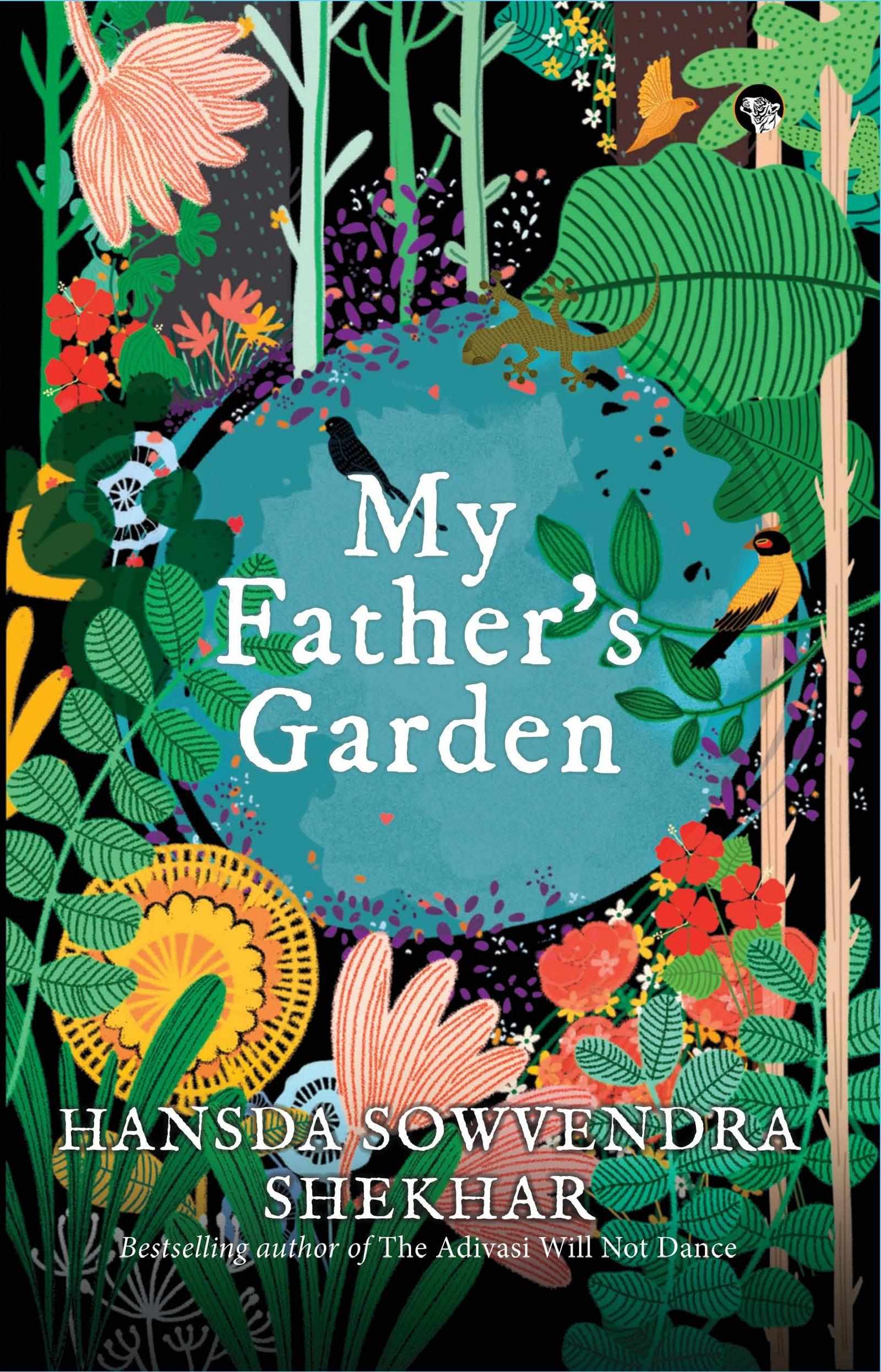
Spanning half a life, My Father’s Garden tells the story of a young doctor—the unnamed narrator—as he negotiates love and sexuality, his need for companionship, and the burdens of memory and familial expectation.
From the author of the internationally acclaimed The Storyteller’s Tale and Jimmy the Terrorist, this is a spare, nostalgic and moving novel about love, family, home and belonging.
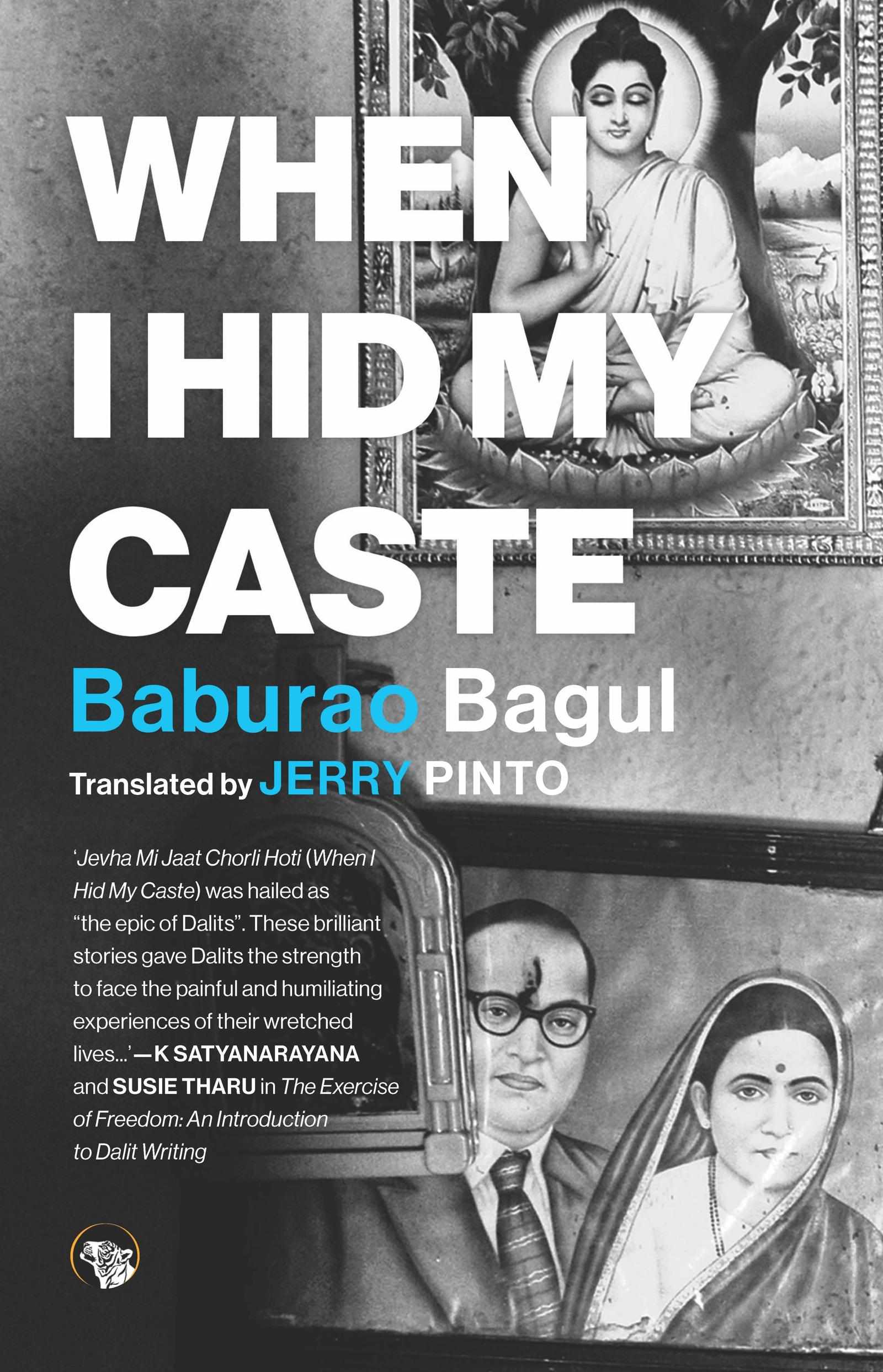
‘The Dalit writer’s magnum opus [that] shifted the imagination of what literature could achieve.’—Yogesh Maitreya, Scroll.
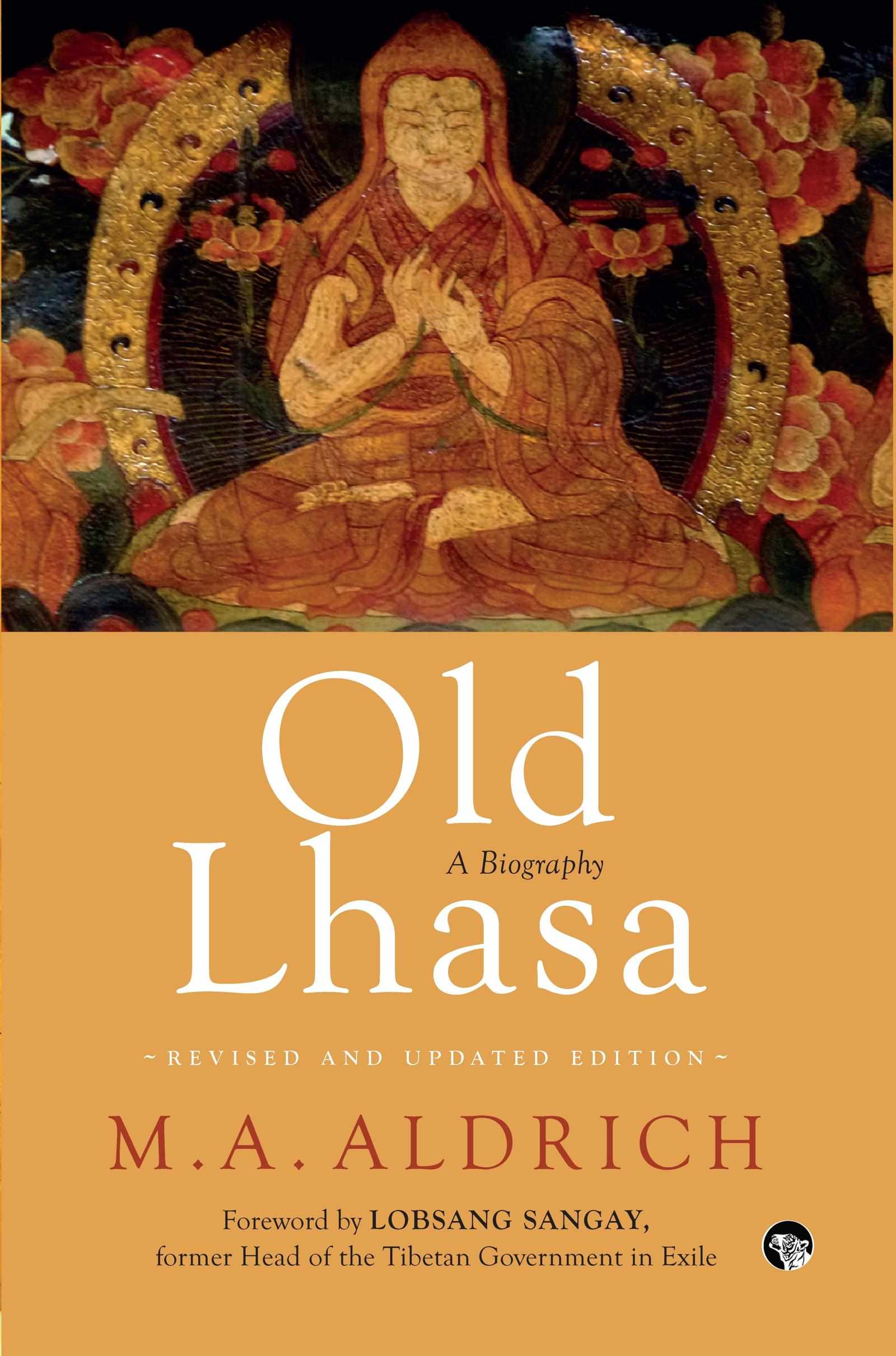
A sweeping, magnificent biography—which combines historical research, travel-writing and discussion of religion and everyday culture—Old Lhasa is the most comprehensive account of the fabled city ever written in English.